
Brizo

Breathing. Ease. Harmony.

Start the practice Russian

Brizo breathing exercises fill you with energy and youthfulness

Unlock the hidden potential of your own breathing

Strengthen your nervous system and immunity

Breathe with health mantras

Only science, practice and experience

Start the practice

Ten minutes a day with mantras, at your own pace.

Silhouette of a woman in profile, waves and a coral branch inside a blue circle — the Brizo mark

What happens while you breathe

Breathing with mantras is not only about calm. A daily practice changes how the body reacts to stress, exertion and sleep deprivation.

Stress

Leaves on the exhale

A slow exhale switches the nervous system into recovery mode: the pulse slows down and cortisol drops. In a meta-analysis of 12 studies (785 participants), breathing practices lowered stress and anxiety levels.

Blood pressure

Goes down

In a meta-analysis of 13 clinical studies (1097 patients with hypertension), systolic blood pressure fell by an average of 7.7 mm Hg and diastolic by 4.0 mm Hg. This is an addition to your main treatment, not a replacement for it.

Energy

Comes back

Regular practice restores your resources: in a 30-day study of daily sessions, growth hormone increased and cholesterol and inflammation markers decreased.

Brain

Pulls itself together

Breathing falls into step with the rhythms of the brain: slow nasal inhales synchronise limbic rhythms, alpha activity grows, and attention and memory improve.

Weight

Goes away, slowly

In the first study of this kind, 30 days of daily practice brought a 1.3 kg loss with no change in diet. Cholesterol and inflammation markers went down as well.

Immunity

Strengthens

Breathing reduces inflammation: studies reported lower IL-6 and CRP. Constant stress eats into your body's defences — the lower the cortisol, the more resources are left for fighting infections and for recovery.

Well-known breathing techniques

They were invented before us: by yogis, doctors, rescuers, physiologists. Below is how each one works and what science has to say about it. None of them is "Brizo": we check them so that we can build a practice worth trusting.

4–7–8

Andrew Weil's breathing, from yogic pranayama

Inhale for 4 counts — hold for 7 — long exhale for 8.

Prepares you for sleep, releases muscle tension and anxious thoughts before the night.

Physiological Reports, 2022. In 43 healthy participants, 4–7–8 breathing lowered heart rate and systolic blood pressure and increased parasympathetic activity.

Open the device →

4–4–4–4

square, tactical breathing

Inhale — hold — exhale — hold, four counts each.

Gathers attention and evens out the pulse before strain: rescue and military services teach it as tactical breathing.

Cell Reports Medicine, 2023. In a randomised Stanford study, five minutes of square breathing a day improved mood no less than meditation.

Open the device →

5–5

coherent, resonant breathing

An even inhale of five counts and the same exhale — about 5.5 breaths per minute.

Breathing and pulse start beating in the same rhythm — that is what resonance is. A steady background for a long practice and for recovery after exertion.

Clinical Cardiology, 2026. Meta-analysis of 13 studies (1097 patients with hypertension): slow breathing lowered systolic blood pressure by 7.7 mm Hg and diastolic by 4.0 mm Hg.

Open the device →

Cyclic sigh

physiological sigh

Two nasal inhales, the second shorter — and a long exhale through the mouth.

The fastest way to release tension: the extended exhale switches on the parasympathetic system within minutes.

Cell Reports Medicine, 2023. Five minutes a day over 28 days gave the best increase in positive mood and a noticeable drop in breathing rate; anxiety fell as much as with meditation.

Open the device →

Only science, practice and experience.

The Brizo breathing technique

In the Brizo app. The health mantra is for women and men alike.

The "Brizo" technique

  1. Inhale — 6 seconds. Calmly, without a jerk.
  2. Hold — 15 seconds. To the voice of the health mantra.
  3. Exhale — 4 seconds. Slowly, all the way out.

25 cycles — 10:25. The voice guides you — you just breathe. The app holds a full mantra recording of 10:25, a female voice and a log of your sessions.

Health mantra, 20 seconds — female voice. Listen to how it sounds.

Download

A phone app: a device with voice mantras, a hold timer and a log of your sessions. It installs on your phone and works offline.

Telegram bot — a breathing session with the health mantra right in Telegram.

What is inside the app

  • The voice leads you through the phases. Mantras and cues run at your pace, without counting seconds: you breathe instead of counting.
  • A timer for your hold. You can see how your personal pause grows and how it compares with your maximum.
  • A gradual build-up for beginners. The first days have short holds, and after that you add a second at a time, without jumps.
  • A full mantra recording. Ten minutes and 25 seconds of uninterrupted voice guidance — and a short strict rhythm that works offline, without internet.

Why it works

  • Breathing switches the nervous system. A long exhale turns on the parasympathetic system: in a meta-analysis of 13 studies (1097 patients with hypertension) slow breathing lowered systolic blood pressure by 7.7 mm Hg. In the morning this is energy, in the evening — calm and sleep.
  • Breath holding mobilises. In studies of maximal breath-holding, arterial blood pressure rose by an average of 13–15 mm Hg and sympathetic activity peaked right before it became impossible to breathe any longer. This is mobilisation, not relaxation — hence the alertness and clarity.
  • Attention and a clear head. In a 2026 pilot study (47 students, breathing in real-life situations), breathing with short pauses produced fewer errors on an attention test. Separately: nasal breathing falls into step with the limbic rhythms of the brain (Zelano et al., Journal of Neuroscience, 2016), and slow breathing strengthens connections in the prefrontal cortex.
  • A word instead of counting. A word holds your attention on the breath — exactly what counting does, only it does not let the mind slide off into thoughts.
  • The length of the hold is a test for yourself. I consider the ability to hold your breath for 40–60 seconds a marker of health and longevity: as long as you can hold it, the body is in order. Science confirms that the length of a hold reflects carbon dioxide tolerance and the work of the baroreflex: cardiology uses it as a screening test — in patients with heart failure, a hold shorter than 34 seconds predicts reduced baroreflex sensitivity. But as a marker of longevity for healthy people, science has not confirmed this yet: it is a personal observation, and chasing records is not the point.
Try the free devices

Devices for the well-known rhythms — 4–7–8, square, coherent, cyclic sigh.

Personal experience

I was left with nothing but breathing

In 2020 I was 58. Weight — 122 kilograms, blood pressure — 220 over 140, fatigue, apathy, drowsiness. The doctors would not clear me for the road any more. Now I am 64, my weight is 108 kilograms, my blood pressure is 136 over 80, and I do 50 squats.

I worked as a taxi driver, but I could not pass the pre-shift medical examination — the doctors forbade me from going on the road. Retirement was still far away and there was nothing to live on. Only breathing was left. I started breathing exercises in early spring of 2020.

The first thing I felt was a surge of strength: my energy increased within a couple of weeks of practice. Then the weight began to fall — a little, but that fact cheered me. Together with the weight, the blood pressure dropped noticeably, without any pills. By the fifth month the snoring had stopped, the pressure had fallen, and the doctors cleared me for the road again. I went back to work.

Over that time I studied and tried every breathing method I knew — and understood that I needed one of my own. I called it "Brizo", from the word "breeze" — breathing. I needed more energy: I wanted to get my youthfulness back, and youthfulness is, first of all, energy. My working assumption was that the more oxygen reaches the cells, the more energy they hold, and so I began to increase the pause between inhale and exhale.

This is how the main thing became clear: a long exhale leads to sleep, and a long hold gives energy. A hold raises blood pressure and switches on the sympathetic system — the body wakes up and switches attention on. Out of this grew the "Brizo" technique: one rhythm that I do every day. The full method I keep to myself — the mantra and how the hold grows — it works only in the form in which I tuned it. The hold grows over time: forty seconds is good, sixty is excellent. And I consider the ability to hold your breath for such seconds a marker of health and longevity: as long as you can hold it, the body is in order.

Next to breathing I have one more test — 50 squats. It is not a record and not a goal, just a simple check of the shape I am in. Like a 40–60 second hold, it is about me: as long as you can hold it, the body is in order.

Youthfulness is, first of all, energy.

I will say honestly: why exactly breathing worked so well for me, science does not fully explain. Studies confirm that slow breathing lowers blood pressure and stress, and that breath holding temporarily raises blood pressure and switches on the sympathetic system — hence the alertness and clarity of mind. But "more oxygen in the cells — more energy" remains my working hypothesis. Still, every inhale, hold and exhale really does give strength back, and I know that from my own experience. This is personal experience, not a medical recommendation: practise if it suits you, and keep your doctor in the loop.
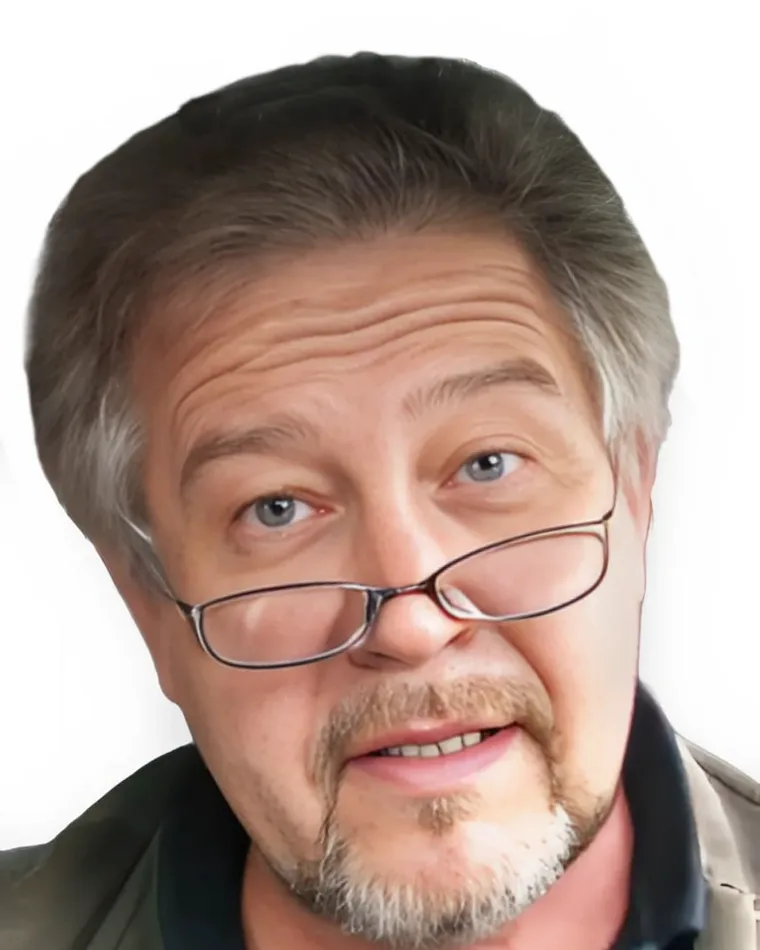
Stefan Fakeev, author of the Brizo technique
Stefan Fakeev, author of the Brizo technique. Six years of practice without a break.
2020
start of the practice
122 → 108 kg
weight over six years
220/140 → 136/80
blood pressure
50
squats — my test
Try the breathing devices

The full "Brizo" technique is in the app: voice mantras, phase cues and a timer for your hold.

Comparing the techniques

Comparing the breathing rhythms: phases, cycle length and purpose
TechniqueInhaleHoldExhaleCycle lengthGood for
4–7–847819 ssleep, relaxation
4–4–4–444416 sattention, warm-up
5–55—510 san even background, recovery
Cyclic sigh4 + 2—612 sreleasing tension quickly
“Brizo” 6–15–4615425 smantras, energy and attention

Where to start

  1. Try one rhythm for a week. Begin with coherent 5–5: it has no hold, so beginners tolerate it best.
  2. Breathe 5–10 minutes a day at the same time. Regularity works better than long, rare sessions.
  3. Watch the exhale — let it be longer than the inhale. That is the common feature of every rhythm on this site.
  4. Add a hold only when it comes easily: 4–7–8 before sleep, square breathing before work.
  5. Write down what you notice: pulse before and after, mood, sleep. It is an honest way to find out whether this works for you.
  6. Then the app. The full “Brizo” technique with mantras: download the app.

Who it suits, and when to be careful

  • This is an addition, not a replacement for treatment. Breathing practices do not cure illness and do not cancel your doctor’s prescriptions.
  • Never practise in water or while driving. Holding your breath in a pool, in the bath or on the road is unsafe.
  • Agree it with your doctor if you are pregnant, have asthma or high blood pressure, take medication, or are in a flare-up of a chronic illness.
  • If you feel dizzy, go back to a shorter hold or to your ordinary breathing rhythm.
  • Start small: a short session without a strained hold is safer than a long one.

More on what the studies measured and where their conclusions stop is in Science of breathing. All the devices are on the Practice page. Six years of personal practice is in Personal experience.